
No products in the cart.
Understanding Sanctions Programs A Global Perspective
Understanding Sanctions Programs: A Global Perspective
Sanctions programs are crucial tools utilized by governments and international organizations to influence the behavior of nations or entities. They can be imposed for various reasons, including the enforcement of human rights, combating terrorism, and preventing the proliferation of weapons of mass destruction. This sanctions programs overview aims to shed light on the intricacies of these programs, the mechanisms behind them, and their implications on global politics.
1. What Are Sanctions?
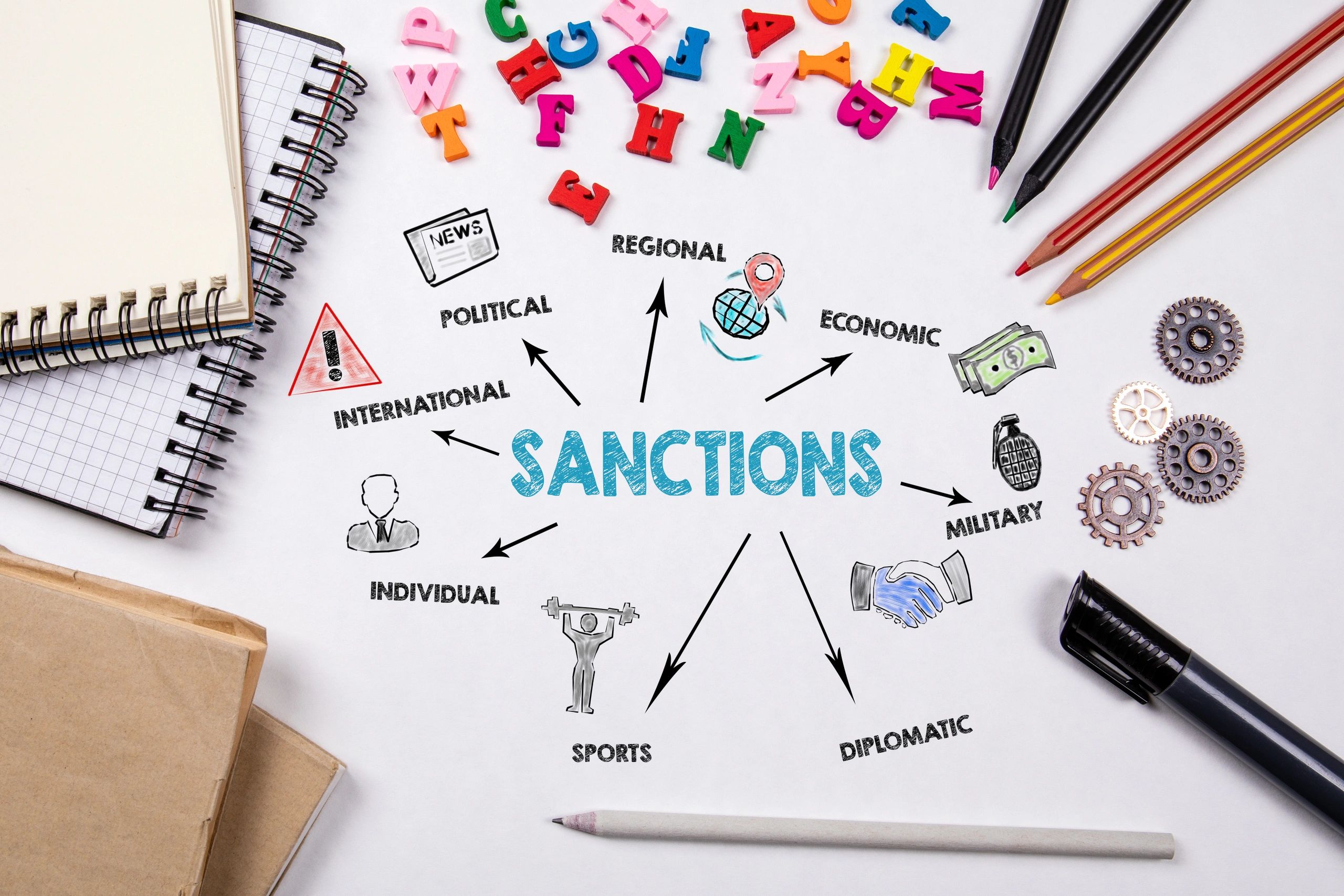
Sanctions are restrictive measures placed on countries, organizations, or individuals to achieve specific foreign policy goals. They can take many forms, including economic sanctions, trade restrictions, travel bans, and diplomatic consequences. Sanctions are often justified as necessary to uphold peace and security in international relations.

2. Purpose of Sanctions
The primary purpose of sanctions is to compel a change in behavior from the target, such as halting aggressive actions or reforming human rights abuses. They serve various political objectives:
- Enforcing International Norms: Sanctions are a way to hold nations accountable for violations of international law.
- Promoting Human Rights: They can be used to pressure governments to respect and promote human rights.
- Preventing Conflict: Sanctions can serve as a deterrent against aggressive actions that could lead to military conflict.
- Counter-terrorism: Targeted sanctions can disrupt the funding and logistics of terrorist organizations.
3. Types of Sanctions
Sanctions can be classified into several types, each serving different objectives:
3.1 Economic Sanctions
These are designed to restrict trade and financial transactions. Economic sanctions may involve:
- Trade embargoes that ban exports to and imports from the sanctioned nation.
- Asset freezes that prevent access to financial resources.
- Financial sanctions that restrict a country’s ability to borrow money or engage in financial transactions.
3.2 Diplomatic Sanctions
Diplomatic sanctions involve reducing or severing diplomatic ties, which can include recalling ambassadors or limiting diplomatic engagements.
3.3 Military Sanctions
This category may involve arms embargoes that prohibit the export of weapons to specific countries, thereby limiting their military capabilities.
3.4 Travel Bans
Individual travel bans restrict specific persons—like government officials or influential figures—from entering certain countries.
4. Implementation of Sanctions
The process of imposing sanctions can vary greatly depending on the implementing body. For instance, unilateral sanctions are enacted by a single country, while multilateral sanctions arise from consensus among multiple countries or organizations, often through bodies like the United Nations.
5. Challenges and Criticisms
While sanctions aim to promote positive change, they can sometimes have unintended consequences, including:
- Humanitarian Impact: Sanctions can inadvertently harm the civilian population by limiting access to basic needs such as food, medicine, and clean water.
- Ineffectiveness: Some regimes may withstand economic pressure without changing their policies, leading to debates about the efficacy of sanctions.
- Alternative Sources: Sanctioned nations may turn to alternative partners to circumvent restrictions, minimizing the intended impact.
6. Case Studies of Sanction Programs
Several high-profile sanctions programs demonstrate the complexity and variability of sanctions:
6.1 North Korea
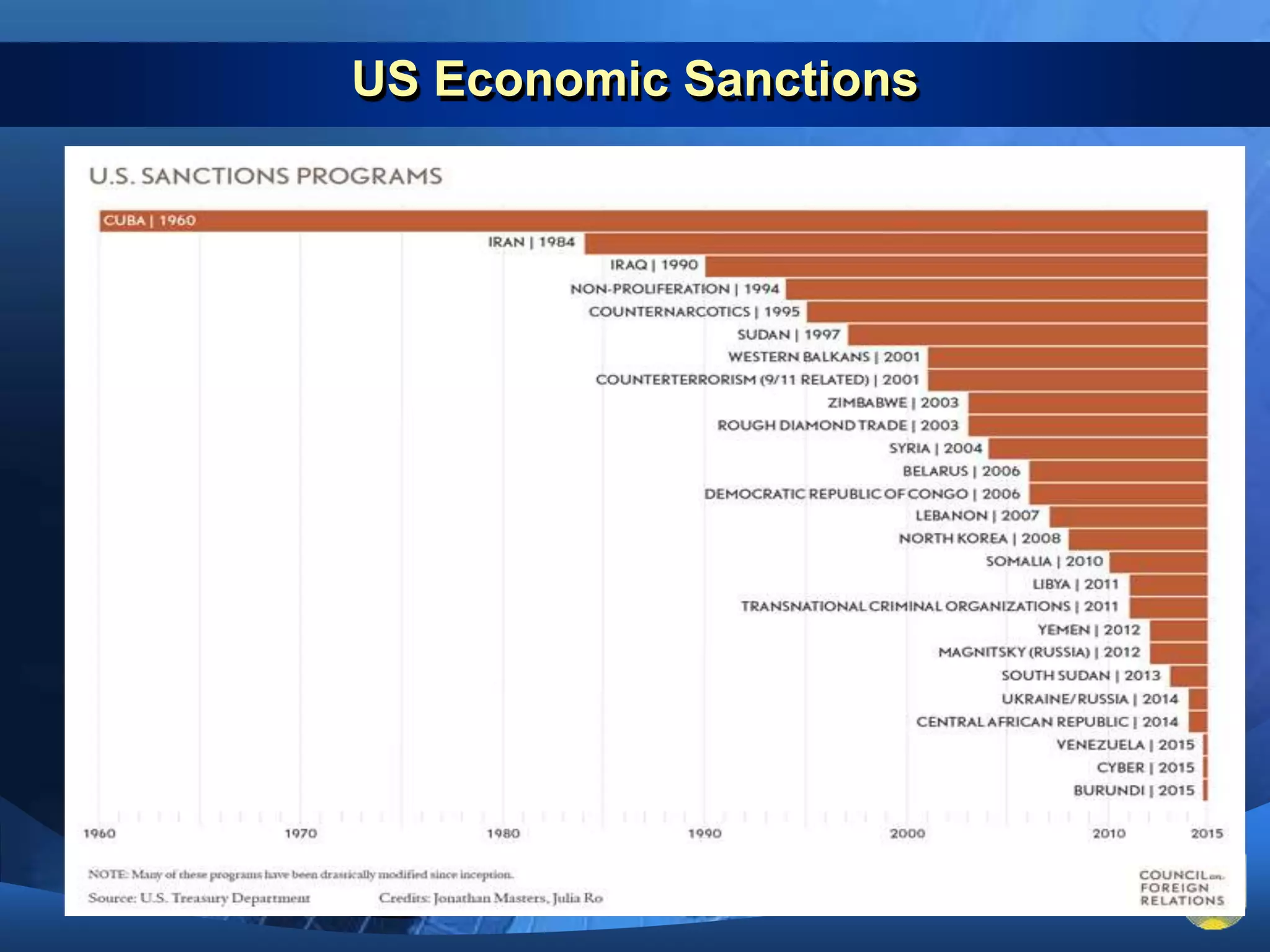
Sanctions against North Korea aim to curb its nuclear weapons program, with extensive economic and military restrictions imposed by the United Nations and individual countries, particularly the United States.
6.2 Iran
Sanctions on Iran, particularly related to its nuclear program, have involved significant economic penalties designed to compel negotiations on its nuclear activities.
6.3 Russia
Following its annexation of Crimea in 2014, Russia faced a range of sanctions from Western countries that targeted its economy, government officials, and key industries such as energy and finance.
7. Future of Sanctions Programs
As global dynamics shift, the future of sanctions programs may involve more nuanced approaches that consider the humanitarian impacts. The international community may increasingly seek to balance the enforcement of sanctions with the need to alleviate suffering among civilians.
Conclusion
Sanctions are a prominent feature of modern international relations, acting as a tool for promoting accountability and change. While they come with their challenges and criticisms, understanding the mechanics and implications of sanctions programs is vital in a globalized
world. Policymakers must navigate the delicate balance between pressure and compassion, ensuring that sanctions are efficiently implemented without causing undue harm to innocent populations.