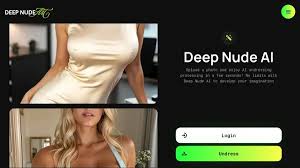
The Intersection of Technology and Ethics: Exploring DeepNude AI
In the rapidly evolving world of artificial intelligence, deepnude ai https://deepnude-ai.org/ stands out as a polarizing and intriguing application that has garnered significant attention. Originally launched in 2019, DeepNude AI quickly gained notoriety for its ability to digitally manipulate images, generating hyper-realistic nude images based on clothed photos. This technology has opened up discussions surrounding digital ethics, privacy, and the consequences of AI-generated content.
Understanding DeepNude AI
DeepNude AI operates on a principle similar to that of image processing algorithms that have been trained on vast datasets. Utilizing generative adversarial networks (GANs), the software analyzes input images and produces outputs that resemble real photographs. While this form of technology can be viewed through various lenses, its application to create non-consensual explicit content raises severe ethical questions and challenges.
The Technology Behind DeepNude AI
At its core, DeepNude AI employs machine learning techniques to modify images. The GANs used in this technology comprise two neural networks: the generator and the discriminator. The generator creates images, while the discriminator evaluates their authenticity. This back-and-forth mechanism allows the AI to improve its output over time. This technology has been praised for its innovation but is heavily criticized for its potential misuse.
How It Works
To understand how DeepNude AI functions, consider the following steps involved:

- Data Collection: The system requires a massive dataset of images, including both clothed and nude forms.
- Training: Through training, the AI learns to recognize patterns and features that define human anatomy.
- Image Processing: When a user inputs an image, the AI processes it to create a new output by applying learned features.
Ethics and Implications
The emergence of DeepNude AI has ignited debates about digital consent, privacy rights, and the evolving landscape of sexually explicit content. While some argue that the ability to manipulate images can be used for artistic or comedic purposes, the predominant concern revolves around non-consensual usage. Victims of image manipulation technology often suffer severe repercussions, including emotional distress and reputational harm.
Consent and Digital Rights
The principle of consent is paramount in discussions about AI technologies like DeepNude. The unauthorized alteration of images could violate an individual’s privacy and digital rights. Victims may find themselves objects of ridicule or harassment, raising significant concerns regarding legal repercussions and the need for regulation in this area.
The Legal Landscape
As technology advances, legal frameworks often struggle to keep pace. The creation and distribution of non-consensual explicit images fall into a legal gray area in many jurisdictions. Traditional copyright laws do not adequately address the new challenges posed by AI-generated content. As a result, lawmakers are tasked with developing new regulations that protect individuals while balancing freedom of expression and technological innovation.
Proposed Solutions
To combat the misuse of technologies like DeepNude AI, several approaches are being explored, including:
- Stricter Regulations: Governments are encouraged to establish laws that specifically address digital content manipulation.
- Public Awareness: Increasing awareness about the potential consequences of sharing images can deter misuse.
- Platform Responsibility: Social media and content-sharing platforms must develop robust policies for handling manipulated images, including reporting mechanisms.
The Future of AI-Generated Content
The future of AI-generated content holds both exciting possibilities and considerable challenges. As tools become more accessible, the potential for creating content that can entertain, inform, and engage grows. However, the risks and ethical dilemmas presented by technologies like DeepNude AI cannot be ignored. How society navigates these challenges will influence the trajectory of technological advancement in the coming years.
Potential Positive Uses
Despite the controversies surrounding DeepNude AI, there are valid applications for image manipulation technology that can yield positive outcomes:
- Artistic Expression: Artists can use AI tools to explore new forms of creativity.
- Fashion and Design: Designers may utilize product renders to visualize concepts without needing physical prototypes.
- Education: AI-generated illustrations can serve as teaching aids in various contexts.
Conclusion
DeepNude AI encapsulates the dual nature of technological growth—innovation paired with ethical dilemmas. As AI continues to shape diverse industries, the conversations surrounding ethics and responsibility must remain at the forefront. By prioritizing consent, advocating for legal protections, and fostering a culture of digital respect, society can harness the power of AI while mitigating its risks. The challenge remains: how to effectively balance technology’s capabilities with ethical considerations to avoid potential pitfalls and ensure a positive impact on society.
]]>