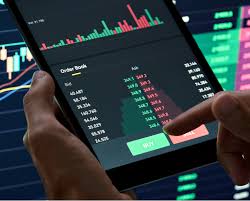
Crypto Trading Automation: Revolutionizing the Crypto Market
As the world of cryptocurrencies continues to expand, investors and traders are constantly seeking innovative methods to gain an edge in the digital asset market. One of the most powerful tools at their disposal is Crypto Trading Automation https://seekingalpha.com/article/45045-american-electric-power-the-wall-street-analyst-forum-presentation-transcript. This approach not only enhances trading efficiency but also offers a wealth of advantages that traditional trading methods may lack. In this article, we will delve into the core concepts of crypto trading automation, its benefits, how it operates, and the future it promises for the crypto trading landscape.
What is Crypto Trading Automation?
Crypto Trading Automation is the use of algorithms and software programs to execute trades on behalf of investors. By leveraging advanced technologies, automated trading systems can analyze market conditions, execute trades, and manage portfolios in real-time. This technology allows traders to make informed decisions quickly, seize market opportunities, and mitigate risks by following predefined strategies without emotional interference.
Benefits of Crypto Trading Automation
The implementation of trading automation in the cryptocurrency space offers several key benefits:
- Speed and Efficiency: Automated trading systems can process vast amounts of data and execute trades within milliseconds. This speed is crucial in the highly volatile crypto market, where prices can change dramatically in a short period.
- Elimination of Emotional Trading: Automated trading removes human emotions from the equation. Traders often make impulsive decisions based on fear or greed, leading to suboptimal outcomes. Automation follows a predetermined strategy, ensuring consistency and discipline.
- 24/7 Market Monitoring: The cryptocurrency market operates nonstop, unlike traditional stock markets. Automation allows traders to monitor the market and execute trades around the clock, ensuring that no opportunities are missed.
- Backtesting and Strategy Optimization: Automated trading platforms often come with backtesting features, enabling traders to test their strategies against historical data. This process helps in refining strategies before deploying them in live trading.
- Risk Management: Many automated trading systems come with built-in risk management features such as stop-loss orders, which can help cap potential losses and preserve capital.
How Crypto Trading Automation Works

Crypto trading automation typically involves several steps to function effectively:
- Strategizing: Traders develop and define their trading strategies based on market analysis and individual risk tolerance. Strategies may involve technical indicators, market trends, or specific trading algorithms.
- Algorithm Development: Once the strategy is set, it is programmed into the trading software, creating an algorithm that can execute trades according to established parameters.
- Integration with Exchanges: Automated trading systems need to be integrated with cryptocurrency exchanges through APIs (Application Programming Interfaces). This integration allows the software to place trades directly in the market.
- Execution: Once the system is live, it continuously monitors market data, analyzes trends, and executes trades based on predefined criteria without manual intervention.
- Performance Evaluation: After trading activities, it’s essential to evaluate the performance of automated strategies. Continuous analysis allows traders to make the necessary adjustments and improvements.
Challenges of Crypto Trading Automation
While crypto trading automation offers notable advantages, it also comes with challenges that traders should consider:
- Market Volatility: The high volatility of cryptocurrency markets can lead to unexpected outcomes, and automated systems may not always react appropriately to sudden market shifts.
- Technical Failures: Automated trading systems rely on technology, which can fail due to bugs, server issues, or internet connectivity problems. Such failures could lead to significant financial losses if not monitored closely.
- Over-Optimization: Traders may fall into the trap of overly optimizing their strategies based on past performance. This can create a mismatch between historical data and current market conditions, leading to poor trading results.
- Security Risks: With the rise of automated trading, there are also increased security risks. Hackers may target trading algorithms or exchanges, potentially compromising investors’ funds.
The Future of Crypto Trading Automation
The landscape of crypto trading automation is continually evolving. As technology advances, we can expect to see:
- Integration of AI and Machine Learning: The future of automated trading will involve the integration of artificial intelligence and machine learning algorithms, allowing systems to learn from past trades and improve performance autonomously.
- Greater Accessibility: As automated trading platforms become more user-friendly and affordable, an increasing number of retail traders will likely adopt these technologies, democratizing access to sophisticated trading tools.
- Enhanced Regulation: With the rise of automated trading, regulatory frameworks are expected to evolve, establishing guidelines to ensure fair practices and protect investors.
- Community-Based Strategies: Collaborative trading strategies that allow users to share and implement successful algorithms within a community could become prevalent, enhancing the overall performance of retail traders.
Conclusion
Crypto trading automation has fundamentally changed the way traders approach the market. With its ability to improve efficiency, eliminate emotional biases, and facilitate round-the-clock trading, automation has become an essential tool in the arsenal of modern traders. However, it is crucial to remain aware of the challenges that accompany automated trading, including market volatility and potential technical failures. By leveraging the strengths and mitigating the weaknesses of automated trading systems, traders can navigate the complex world of cryptocurrency more effectively and potentially enhance their investment outcomes.
]]>