
No products in the cart.
How Alcoholism Can Impact Your Physical and Mental Health Over Time
Medications that dilate blood vessels, blood thinners, or drugs that interact with alcohol can alter appearance, balance, or cognition. A thorough medical evaluation helps separate alcohol-related changes from other causes. Easy bruising, pallor from poor nutrition, and changes in skin texture are also possible. Because similar findings can occur with vascular conditions, hormonal changes, or medications, clinicians consider the full clinical picture rather than a single sign. In more severe cases, withdrawal can escalate to seizures or delirium tremens (DTs), both of which are medical emergencies.
Understanding Different Levels of Mental Health Care
Poor dental health becomes evident due to neglected oral hygiene from alcohol abuse. The effect is particularly noticeable in social drinkers where mild alcohol consumption can temporarily alter facial appearance through vasodilation. You may think your drinking is under control, but physical signs of alcoholism your body could already be showing signs that it isn’t. The early physical signs of alcoholism often appear quietly, before life feels completely unmanageable. Cravings can grow stronger even after detox, because the brain and body both remember the substance.
- Memory problems may begin to appear, and learning new information can become difficult.
- This is perhaps the most critical criteria of alcohol use disorder.
- Understanding how alcohol addiction develops is critical in understanding and recognizing the warning signs as early as possible to find help before long-term damage.
- Drinking can be seen as a part of celebrations, stress relief, or social bonding.
📞 Winnebago County Families: Call Now for Free Consultation — 1-888-ATTY-911
Chronic alcohol consumption depresses the brain’s activity, and sudden cessation leads to a rebound effect, causing overstimulation. This imbalance in neurotransmitters, particularly gamma-aminobutyric acid (GABA) and glutamate, results in tremors. For those drinking more than 15 drinks per week for men or 8 drinks per week for women, the risk of experiencing withdrawal tremors increases significantly. It’s not just the quantity but also the frequency and duration of drinking that contribute to this phenomenon. Early intervention prevents the progression to more severe complications and chronic addiction. Recognizing signs of alcoholism in yourself requires honest self-assessment.
What Are the 6 Physical Alcoholism Symptoms?
Sometimes in trying to make sense of a traumatic event, you may blame yourself. You may think you are to blame for bad things that happened, or for surviving when others didn’t. The more alcohol you drink during pregnancy, the greater the chance of problems in your baby. There’s no known safe amount of alcohol to drink during pregnancy, and there’s no type of alcohol that is safe.
- Behavioral therapies can help people develop skills to avoid and overcome triggers, such as stress, that might lead to drinking.
- The CDC defines binge drinking as drinking that brings your blood alcohol concentration (BAC) to 0.08% or more.
- Clearer thinking, improved sleep, and better energy levels show up quickly once alcohol is removed.
Make sure you’re getting enough sleep
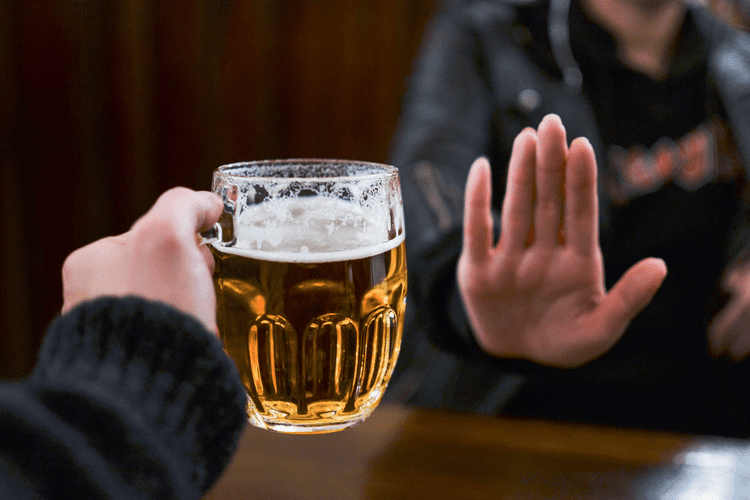
Unexplained mood swings, sudden outbursts of anger, or emotional instability can all point to a problem with alcohol. Additionally, individuals may display a loss of interest in activities they previously enjoyed. Consistently slurred speech, even when not actively drinking, may point to a neurological impact from alcohol. Forgetfulness, short-term memory lapses, or difficulty concentrating can be early signs of brain changes due to alcohol use. Alcohol abuse affects the liver, which will eventually affect the skin. Yellowing of the skin Substance abuse or eyes (jaundice) can indicate serious liver damage.
Speak With Our Team About Next Steps

Increased tolerance occurs when you require larger amounts of alcohol to achieve the same effects you previously experienced with smaller quantities. This biological adaptation signals your body’s growing dependence on alcohol. Property damage and theft charges can stem from alcohol-influenced poor judgment. These legal problems compound existing financial difficulties and create additional stress that often perpetuates the cycle of drinking. Missing work or classes becomes a regular occurrence as you prioritize drinking over attendance.

If you have PTSD, you may have trouble keeping yourself from thinking over and over about what happened to you. You may try to avoid people and places that remind you of the trauma. Lastly, if you https://ecosoberhouse.com/ have PTSD, you might find that you have trouble relaxing. You may startle easily, and you may feel on guard most of the time. When you experience a traumatic event, it’s common to have an emotional reaction.
- It can be caused by multiple factors including genetic, social, psychological, and environmental risks.
- Relationship deterioration occurs as drinking behavior creates conflict with loved ones.
- These disruptions can change mood and behavior and make it harder to think clearly and move with coordination.
- Healthcare providers offer essential evaluation and treatment planning for alcohol use disorders.
- Your perspective matters, your worry is valid, and there are ways to support both her and yourself without carrying the weight alone.
How to manage the stress of heartbreak and protect your health
Regular monitoring of liver function through blood tests is essential for individuals with a history of heavy drinking. Alcoholism doesn’t just leave its mark on behavior; it etches itself onto the skin. One of the most telling signs of chronic alcohol abuse is a constellation of skin issues stemming from liver damage. Jaundice, a yellowing of the skin and eyes, occurs when the liver fails to process bilirubin, a byproduct of red blood cell breakdown. Broken capillaries, or spider angiomas, are a more severe indicator of long-term alcohol abuse. These tiny, visible blood vessels often appear on the cheeks, nose, and chest, resembling spider webs.
And since alcohol is a diuretic, you’ll probably visit the bathroom more frequently at night, which can significantly hinder sleep. If you’ve ever had to nurse a hangover, nausea and vomiting are commonly part and parcel of the ordeal. While throwing up can make you feel miserable, it is one of your body’s self-defense mechanisms to remove excess toxins from the alcohol consumed.