
No products in the cart.
Understanding Forex Trading A Comprehensive Guide 1573332344

What is Forex Trading?
Forex trading, also known as foreign exchange trading or currency trading, involves the buying and selling of currencies on the foreign exchange market with the aim of making a profit. It is one of the largest and most liquid financial markets in the world, with an average daily trading volume exceeding $6 trillion. Whether you are an experienced trader or a newcomer, understanding the basics of Forex trading can help you make informed decisions. For more information on trading tips and resources, visit what is forex trading https://acev.io/.
The Evolution of Forex Trading
The Forex market has its origins in ancient times when currency exchange emerged as the need for trade between different regions grew. Over the centuries, this evolved into a sophisticated financial system. Initially, Forex trading was conducted through banks and other institutions during specific hours. However, with technological advancements and the emergence of online trading platforms, Forex trading has become accessible to individual traders globally, operating 24 hours a day, five days a week.
How Does Forex Trading Work?
Forex trading involves the simultaneous buying of one currency and selling of another. Each currency pair consists of a base currency and a quote currency. For instance, in the currency pair EUR/USD, the Euro (EUR) is the base currency and the US Dollar (USD) is the quote currency. Traders speculate on the value of one currency in relation to another, aiming to profit from fluctuations in exchange rates.
Key Participants in the Forex Market
Various participants engage in Forex trading, including:
- Banks: Major financial institutions that trade large volumes of currency on behalf of clients or for their own accounts.
- Corporations: Companies that engage in Forex trading to hedge against currency fluctuations affecting international business.
- Retail Traders: Individual traders who participate in the Forex market through online brokerage platforms.
- Central Banks: National banks that manage currency reserves and may intervene in the Forex market to stabilize or influence their currency.
Main Concepts in Forex Trading
To become successful in Forex trading, it’s essential to understand some key concepts:
1. Pips
A pip, short for “percentage in point,” is the smallest price move that an exchange rate can make. In most currency pairs, a pip is equal to 0.0001, except for pairs involving the Japanese Yen, where it is 0.01.
2. Leverage
Forex trading often allows the use of leverage, enabling traders to control larger positions with a smaller amount of capital. While leverage can amplify profits, it also increases the risk of significant losses.
3. Margin
Margin is the amount of money required to open a trading position. It is a fraction of the total trade size, and the margin requirement varies by broker and currency pair. Understanding margin is crucial for effective risk management.
4. Spread
The spread is the difference between the buying price (ask) and the selling price (bid) of a currency pair. It represents the broker’s profit from executing trades and is an essential factor when calculating trading costs.
Strategies for Forex Trading
Forex trading strategies can vary widely based on individual goals, risk tolerance, and market analysis. Here are some common strategies:
1. Day Trading
Day trading involves executing multiple trades within a single day, closing positions before the markets close. It requires real-time market analysis and quick decision-making.
2. Swing Trading

Swing traders take advantage of price swings and trends over days or weeks. They typically hold positions for a longer time compared to day traders, relying on technical analysis.
3. Trend Following
Trend following strategies focus on identifying and following existing market trends. Traders enter positions in the direction of the trend, whether bullish or bearish.
4. Scalping
Scalping is a strategy aimed at making small profits from numerous trades throughout the day. Scalpers minimize exposure by holding positions for very short durations.
The Importance of Risk Management
Effective risk management is vital in Forex trading, as the potential for loss is significant. Strategies such as setting stop-loss orders, diversifying trading portfolios, and using proper position sizing are essential to protect capital and minimize risk.
The Role of Technology in Forex Trading
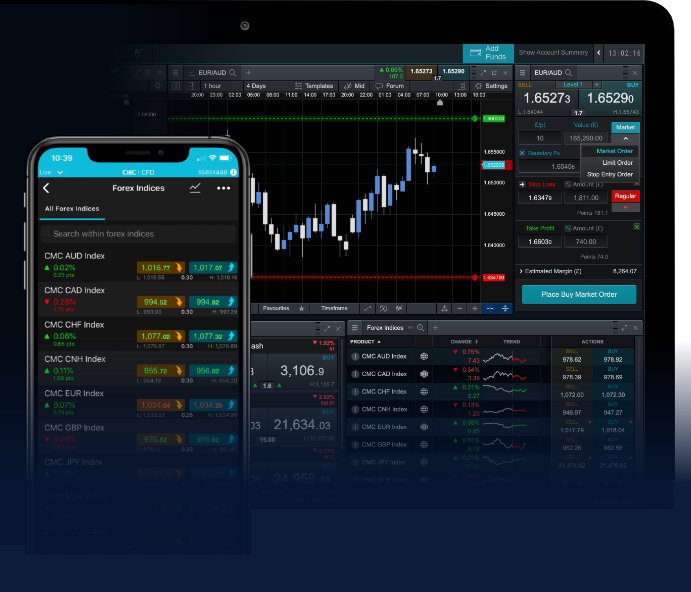
Technological advancements have transformed Forex trading over the years. Online trading platforms provide in-depth market data, analysis tools, and access to global markets. Automated trading systems and algorithms allow traders to execute trades based on predefined criteria, enhancing efficiency and precision.
Conclusion
Forex trading is a dynamic and complex market that offers opportunities for profit but also entails substantial risk. Understanding the mechanics of Forex trading, the key participants, and effective trading strategies is crucial for success. By leveraging the right tools and maintaining disciplined risk management practices, traders can navigate the Forex market effectively. Whether you are just starting or looking to enhance your trading experience, continuous learning and practice play essential roles in becoming a proficient Forex trader.