
No products in the cart.
Common Casino Scams and How to Protect Yourself 1586889737
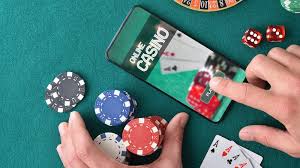
Common Casino Scams and How to Protect Yourself
Casinos are places of excitement, entertainment, and the potential for life-changing wins. However, they also attract a range of opportunists looking to exploit unsuspecting gamblers. As the gambling industry evolves, so do the tactics used by scammers. Whether online or in brick-and-mortar establishments, it’s vital to stay informed about common scams and learn how to protect yourself. One resource you can explore for more information is Common Casino Scams and How to Avoid Them https://sanremo1.it, which covers various aspects of gambling.
1. Phishing Scams
Phishing is a common online scam where criminals impersonate reputable websites or organizations to steal personal information. This can occur via email, fake websites, or social media. Scammers often create convincing emails that look as though they come from a legitimate casino, prompting players to update their information or click on a malicious link.
How to Protect Yourself: Always check the sender’s email address, look for spelling errors, and be cautious of emails requesting sensitive information. Additionally, only log into your casino account through the official website, not through links in emails.
2. Bonus Scams
Many online casinos offer bonuses as an incentive for new players or to retain existing ones. However, scammers can create fake casino websites that lure players in with tempting offers that are almost impossible to cash out. Once players deposit their money, they find that the promised bonuses come with unrealistic conditions.
How to Protect Yourself: Read the fine print on any bonus offer. Stick to well-known and reputable casinos that are licensed and reviewed positively by other players. Research their bonus terms and conditions to ensure they are fair and transparent.
3. Rigged Games
In both online and physical casinos, there’s a risk of encountering rigged games. This could involve manipulated software for online games or dishonest dealers in card games at brick-and-mortar establishments. In some cases, players might not notice that they are playing on a setup designed to lose money.
How to Protect Yourself: Always gamble at licensed casinos that are regulated by gaming authorities. Look for third-party audits and certifications from independent agencies that demonstrate the fairness of the games. For online casinos, check the Random Number Generator (RNG) certification.

4. ATM Scams
In casinos, ATMs can be prime targets for scammers. These scams can involve skimming devices that capture your card information or fake ATMs that appear legitimate but are set up to steal your money.
How to Protect Yourself: Use ATMs located in well-lit, busy areas of the casino. Check the machine for any unusual attachments before using it, and cover your PIN when entering it. If possible, use ATMs that are affiliated with your bank to reduce risks.
5. Identity Theft
Identity theft is a severe concern when gambling, especially if you share personal information online. Scammers can use your identity to create accounts and run up significant gambling debts or engage in fraudulent activities.
How to Protect Yourself: Keep your personal information private and only share necessary details with trusted casinos. Use strong, unique passwords for your accounts, and enable two-factor authentication where available, adding an extra layer of security.
6. Collusion in Poker Games
Collusion occurs when two or more players work together to gain an unfair advantage in poker. This can lead to significant financial losses for unsuspecting players who are unaware that they are being cheated.
How to Protect Yourself: Play at reputable poker rooms that monitor gameplay for suspicious activity. Be vigilant and report any behavior that seems unusual, such as players making strange calls or acting in concert.
7. Fake or Impersonated Customer Service
Scammers may impersonate customer service representatives from a casino to trick players into providing account details or personal information under the guise of “verification” or “problems with your account.”

How to Protect Yourself: Always contact customer support through official channels listed on the casino’s website. Avoid giving personal information to unsolicited callers or messages.
8. Gambling Addiction Scams
Unfortunately, some scams specifically target vulnerable individuals battling gambling addiction. Fraudsters may offer “help,” such as excessive loans or rehab services, that are nothing more than a setup to exploit their desperation.
How to Protect Yourself: Seek support from reputable organizations that help with gambling addiction, and be skeptical of offers that sound too good to be true. Reach out to community resources or counseling services.
9. Cryptojacking in Online Casinos
As cryptocurrencies gain popularity, some websites may secretly mine cryptocurrency using your device without your consent. This can slow down your computer and lead to potential data theft.
How to Protect Yourself: Ensure your device is protected with up-to-date antivirus software and be wary of casinos that exclusively operate in cryptocurrency without proper reviews and credentials.
10. Preventing Casino Scams: General Tips
While there are specific scams to be aware of, following general safety tips can go a long way in protecting yourself while gambling:
- Always use reputable casinos that have strong security measures in place.
- Read reviews and do thorough research before signing up with online platforms.
- Trust your instincts; if something feels off, it probably is.
- Regularly monitor your bank accounts for unusual activity.
Conclusion
Gambling can be a thrilling and enjoyable experience, but it’s essential to stay vigilant against potential scams that can ruin your experience or lead to financial loss. By educating yourself about common casino scams and employing protective measures, you can gamble safely and responsibly. Remember, informed players are the most protected players!